Silicone release agent

Home
Silicone release agent

Release Agent

Methyl MQ organic silicone resin (Methyl MQ Silicone Resin) has become a core component in modern high-performance demolding agent formulations due to its unique three-dimensional macromolecular structure and outstanding film-forming properties.

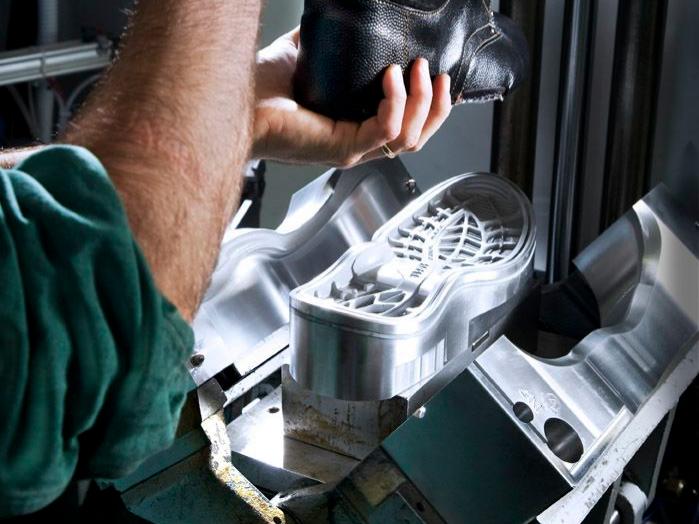
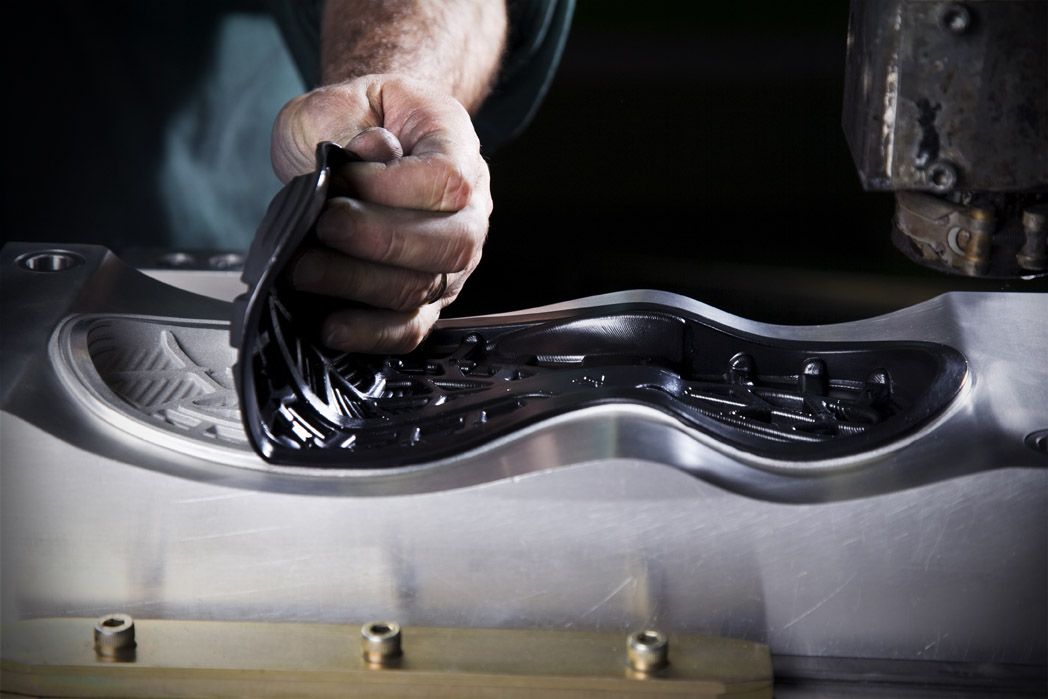
In the industrial manufacturing field, it is widely used in polyurethane foams, automotive parts, rubber products, and other high-precision demolding scenarios. Its excellent high-temperature stability and extremely low surface energy provide a lasting hydrophobic and oleophobic protective layer on the mold surface, significantly improving the demolding efficiency and the surface smoothness of the finished products. Especially in the precise industrial demolding processes that require high cycle times and zero residue, it demonstrates an irreplaceable advantage.

XJY-702

Methylhydrosiloxane, Dimethylsiloxane Copolymer

XJY-701

Polymethylhydrosiloxane

XJY-RATN / RA

Silicone MQ Resin for release agent

For more information, please contact us.

Precautions of choosing release agent materials

If you need assistance, feel free to contact us. Providing the following details will help us match products more quickly.

Application

Inform about the specific application fields of demolding, such as polyurethane molding, epoxy resin compression molding, and demolding of rubber and plastic products, etc.

Demolding Requirements

Inform about the required demolding effect, such as high glossiness, matte texture, high number of demolding repetitions, etc. (these are the core requirements)

Product Form

You can refer to the product types used in the past. The core is based on the product itself.

Formulation Selection

It is mainly divided into three categories: emulsion, solvent-free complex, and solvent-containing complex.

Customization requirements

If customization is required, please inform us of the specific parameters such as the viscosity, solid content, and specifications of the product you need.

Previous usage of product models

Please list the product models that have been used, along with their advantages and disadvantages, so that we can recommend suitable alternatives or upgrade solutions for you.

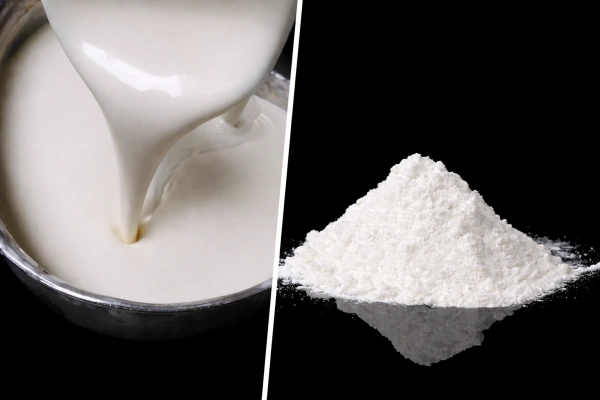
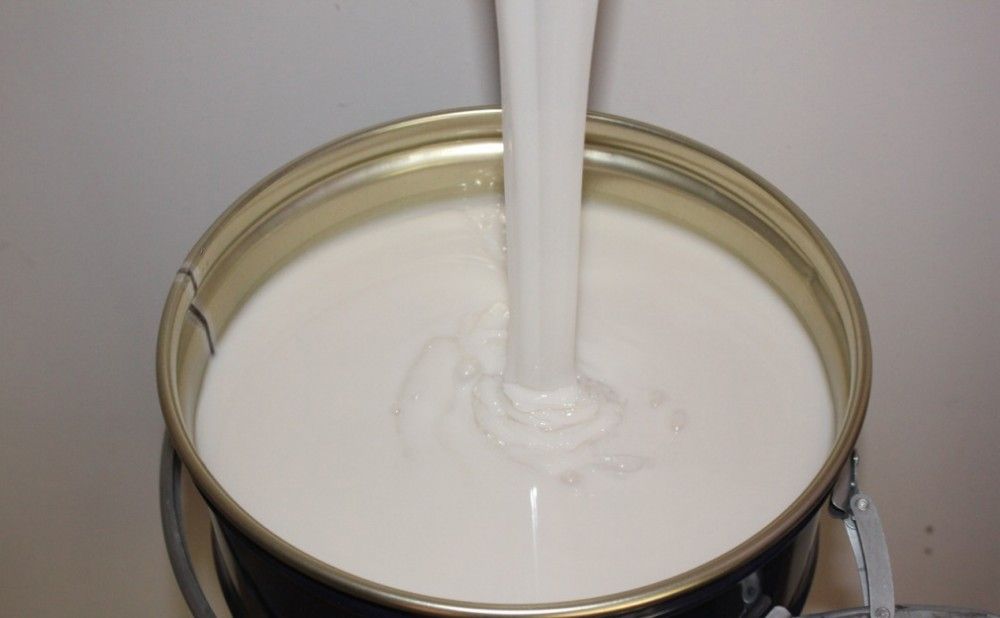
Reference for core product form selection: We highly recommend the solvent-free composite series. The composite products all have excellent quality stability, can achieve good demolding effect, effectively increase the number of repeated demolding, and can precisely match the demolding texture of high gloss / matte according to the requirements. The emulsion series has the advantages of water-based environmental friendliness, easy dilution, convenient construction, and low odor, suitable for demolding scenarios with high requirements for environmental friendliness and construction operability. The solvent-containing composite series performs better in stability and provides diversified selection options for you. For specific recommendations tailored to your needs, please contact us.

Core Common Advantage

Demolding Efficiency Expert

Forming a uniform and dense demolding film layer, it combines the dual advantages of high demolding performance and film-forming toughness, eliminating problems such as mold adhesion, residual glue, and incomplete demolding, achieving efficient and smooth demolding, and being suitable for all demolding scenarios including polyurethane / epoxy resin / rubber and plastic molding.

Long-lasting repeated demolding

Form a temperature-resistant anti-sticking protective film to resist the effects of high-temperature molding, material adhesion, and repeated demolding, while achieving multiple functions such as high gloss / matte customization, scratch resistance, anti-sticking, easy cleaning, and improvement of the surface texture of the product. The number of repeated demolding can be increased by more than 50%.

Product stability

The product has strong storage and construction stability, and is not prone to stratification, clumping, or deterioration. It is suitable for different production processes and environments, reducing production losses and defective rates caused by raw material issues.

Production Adaptation Optimization

Chemical properties are stable, compatible with various molding substrates, and the construction process is convenient (can be brushed / sprayed / dip-coated). There are no adverse residues that affect subsequent processing (such as bonding, spraying), and it is suitable for large-scale industrial production needs, providing stable support for the efficient operation of the production line.

Dilution Recommendations for Solvent-Free Composite Release Agents

RAN-03 Release Agent Dilution Recommendations for Customers
Solvents: Isopar G/H, or light naphtha (JP4-free), or dichloromethane. For other solvents, prioritize those with low boiling points as much as possible.
Take high-density PU as an example:Recommended dilution ratios at a mold temperature of 50-65℃:Isopar G: from 2-4%. If the effect is consistently poor at 2-4%, increase the concentration without an upper limit up to 8%.Isopar H: from 1.5-3.5%. Same as above, increase the concentration without an upper limit up to 8%.Light naphtha: from 4-6%.
For high-density PU in particular, customers must be required to start testing from a 2% concentration.If the 2% concentration dries completely in 15-20 seconds with smooth demolding, it proves that the low concentration is highly effective.If the demolding effect at 2% is poor, increase the concentration in 0.5% increments.
Key Reminder: If the concentration is increased to a relatively high level of 4% or 5%, the solvent cannot dry within 15-20 seconds, and the mold remains in a gel/fluid state before PU injection, this indicates the maximum RAN concentration for solvent volatilization within 15-20 seconds at a mold temperature of 50-65℃.
Notes:

  1. The longer the operation interval between release agent application and PU injection, the more time the release agent has to volatilize and form a film, which is therefore beneficial for improving the demolding effect of the release agent.
  2. Excessively high solid content of RAN-03 in the diluted release agent may lead to problems such as difficult demolding, mold sticking, and whitening. It is imperative to start from a low solid content and increase it by up to 5% in increments, conducting tests until the perfect demolding effect is achieved.
  3. After each mold cleaning and before daily production, apply a layer of firm base film on the mold using a lint-free cloth dipped in pure RAN-03 silicone resin composite; this can improve the demolding effect throughout the day and avoid mold sticking issues. Therefore, it is not recommended to directly apply solvent-rich release agent and start production immediately after mold cleaning, as this may cause difficult demolding.
  4. PDMS Addition Recommendation: Adding PDMS to the RAN-03 composite silicone resin is only for cost reduction, not a technical necessity. Pure RAN-03 composite silicone resin already contains a relatively high PDMS content. RAN-03 or similar composites, when diluted according to the formula ratio, can be applied in most scenarios. Thus, PDMS of any viscosity (1000cst/350cst/100cst) is not a mandatory addition unless there is a specific need to reduce the cost of the release agent. Otherwise, addition is not recommended, or it can be added as appropriate according to customer requirements. (Not applicable to pure MQ silicone resin powder systems)
  5. Poor adhesion between shoe soles and uppers may result from excessive release agent dosage. It is necessary to retest to determine the optimal solid content and dilution ratio starting from a low dilution ratio.
  6. In case of difficult demolding and other demolding problems: It is recommended to film the mold injection and demolding process; the root cause of the problem can be accurately judged by observing the specific operation steps. The data to be provided includes release agent dilution ratio, solvent type, release agent spray volume, interval time-curing time, PU injection volume, PU curing time, release process, and problem details.
Mold Temperature 90-100℃ 50-65℃
Solvent/Boiling Point Light Naphtha (JP4-free)
Initial boiling point approx. 30℃, final boiling point approx. 90-100℃
Dichloromethane 39.8℃
Isopar
G 162-177℃
H 181-192℃
RAN Dilution Ratio (High-Density PU) At 90-100℃ mold temperature
Light Naphtha: 5-8% RAN-03
Dichloromethane: 2-3% RAN-03
At 50-65℃ mold temperature
Isopar G: from 2-4%
Isopar H: from 1.5-3.5%
Light Naphtha: from 3-6%
RAN Dilution Ratio (Low-Density PU) At 90-100℃ mold temperature
Light Naphtha: 8-16% RAN-03
Dichloromethane: 4-5% RAN-03
At 50-65℃ mold temperature
Isopar G: 3-4%
Isopar H: 2%-4%
Light Naphtha: from 5-10%

Potential Problem Analysis of Production Equipment

  • Impact of equipment failure on injection:

◦ It is necessary to check whether the filters and pipelines of the polyurethane machine are clogged. Even if the displayed injection volume is normal, actual production may suffer from insufficient injection due to equipment clogging.
◦ It is recommended that the factory regularly clean the machine and check the status of the air cylinders. This problem is often misjudged as release agent failure, while the actual solution lies in equipment maintenance.

  • Production process control requirements:

◦ Polyurethane production requires on-site management by professional technicians; insufficient labor quality may lead to unstable injection volume or shrinkage and deformation of shoe soles.
Application Mechanism of Methyl MQ Silicone Resin in PU Release Agents
Mechanism of Methyl MQ Silicone Resin in Silicone Release Agents for Polyurethane (PU)
Methyl MQ silicone resin is the core functional component of PU release agents. Its unique cage-like molecular structure (M unit: monofunctional; Q unit: tetrafunctional) and surface properties determine its key role in the PU demolding system, ultimately achieving efficient and damage-free separation of PU products from molds, while significantly improving the durability of the release agent and the quality of products.
1. Core Action Mechanism
Forming a Film with Ultra-Low Surface Energy to Construct a Lubricating Isolation Layer
The molecular surface of methyl MQ silicone resin is enriched with methyl groups, with a surface energy as low as 20~22 mN/m, much lower than that of PU (approx. 40 mN/m) and metal/FRP molds (approx. 30~50 mN/m).After the release agent is applied, methyl MQ silicone resin will be directionally adsorbed and spread to form a dense and uniform film, creating a physical isolation barrier between the PU melt and the mold surface, which greatly reduces the interfacial adhesion between the two and fundamentally reduces mold sticking.
Enhancing Film Cohesion and Heat Resistance to Improve Repeated Demolding Times and Durability
The PU curing process is often accompanied by exothermicity (reaction temperature up to 80~120℃). Ordinary silicone oil-based release agents are prone to thermal migration and loss, leading to demolding failure or residual glue.The cage-like structure of methyl MQ silicone resin has a high cross-linking density. When compounded with silicone oil, it can significantly improve the cohesion and thermal stability of the release agent film, which will not decompose, migrate, or be dissolved/eroded by the PU melt under the thermal effect of PU curing.This characteristic enables the release agent applied in a single coating to withstand multiple PU injection-curing-demolding cycles, greatly increasing the number of repeated demoldings, reducing the operating cost of frequent re-coating of the release agent, and improving production efficiency.
Optimizing Film Flatness to Improve the Surface Gloss of PU Products
The cage-like molecular structure of methyl MQ silicone resin can fill the micro-voids of the silicone oil film to form a smooth and dense continuous film.During the PU curing and molding process, the smooth film on the mold surface will be reversely replicated onto the PU product surface, reducing pitting, defects, and mold sticking marks on the product surface, significantly improving the surface gloss and appearance consistency of PU products, and is particularly suitable for PU elastomers and foamed products with high appearance requirements.
Adapting to the Curing Characteristics of the PU System Without Interfering with the Reaction Process
PU curing relies on the addition polymerization reaction between isocyanate and polyol, which is sensitive to impurities in the system (such as substances containing active hydrogen and heavy metal ions).Methyl MQ silicone resin has stable chemical properties, contains no active hydrogen groups, and will not undergo side reactions with PU curing agents; at the same time, the siloxane bonds in its structure have strong inertness and will not interfere with the cross-linking and curing process of PU, ensuring that the mechanical properties (hardness, tensile strength) of PU products are not affected.
2. Key Application Points of Methyl MQ Silicone Resin in PU Release Agents
Compound System Design
It is usually used in combination with dimethyl silicone oil and hydroxyl silicone oil: silicone oil provides basic lubricity, while methyl MQ silicone resin is responsible for film formation, reinforcement and gloss improvement. The synergy of the two can precisely adjust the number of repeated demoldings, durability and product gloss of the release agent.
Viscosity and Coating Method
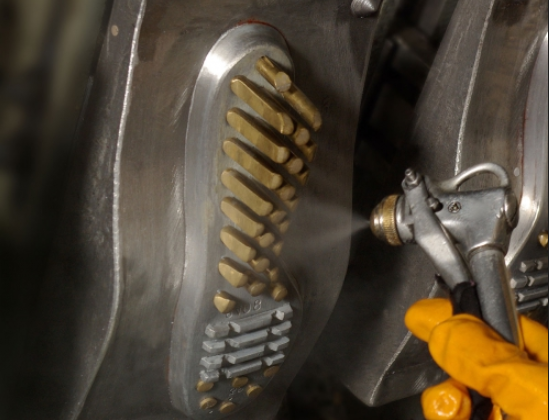
For different PU products (such as flexible foam, rigid foam, elastomers), it is necessary to adjust the addition amount of methyl MQ silicone resin and the system viscosity. Spraying, brushing or dipping can be adopted to ensure uniform coverage on the mold surface.
Compatibility with Mold Substrates

Compliance Certification and Export Support

  • International certifications: REACH (EU), ISO 9001, ISO 14001, ISO 45001, SA 8000, HALAL, and other certification certificates.
  • Exportable documents include: COA, MSDS, certificate of origin, animal-free testing, Origin declaration, and vegan certification.
  • Customized Services: Small-batch trial orders (minimum 1kg), technical guidance on formulations, and personalized product modification services (e.g., particle size customization, modification).

What is the mold release agent?

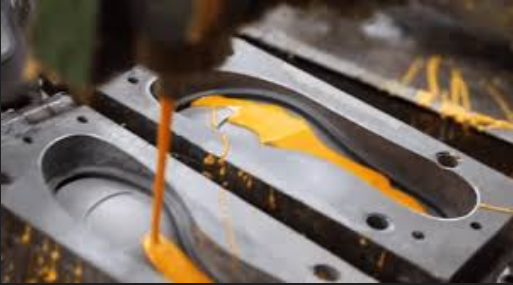
The mold release agent is used to form a semi-permanent film layer that does not participate in the reaction and isolates the mold and the product so that the product can be easily released from the mold. It requires high adhesion to the mold and does not react with the product.

Benefit from the following manufacturing advantages:

1. Pre-production samples for all orders before production starts

2. Free packaging services

3. Precision manufacturing on branded CNC equipment

4. Experienced engineers to monitor the entire production process

5. Stable after-sales service

6. 24-hour warehousing service and logistics support

7. Wholesale and retail experience

8. Quality control, including raw material incoming inspection, process intermediate product inspection, finished product factory full analysis inspection

9. Invest more than 12% of sales in R&D each year

Product Features

Used in release agent formulations, used together with dimethylsiloxane silicone release agents formulations, the resin forms a resin film on the surface of the production mold, thereby improving the repeated use effect of the release agent and excellent resistance of heat. At the same time, the mold release performance is improved.

Methyl MQ resin is formed by polymerization of tetrafunctional siloxane (Q) and monofunctional methyl siloxane (M). It is widely used in the fields of personal care, adhesives, defoamers, waterproofing agents, etc., and has a good application effect in the fields of high temperature, semi-permanent, or permanent for silicone release agent.

In the silicone mold release agents formula, polydimethylsiloxane is widely used, and a certain amount of MQ silicone resin is added to it. After being coated on the surface of the mold at high temperature, some hydroxyl groups on MQ resin will be condensed to form a reinforcing filling for film formation of dimethylsilicone oil, thus increasing the use temperature of the release agent and increasing the reuse times, thus improving the production efficiency of downstream customers and reducing the production cost.

Applications

The silicone mold release agent is widely used in the mold making of liquid plastic products and release mold rubbers: silicone rubber mold, urethane rubber mold cured rubber molds. It can also be used in metal casting, paper making, fiber, food processing and other industries’ production processes. Most urethane liquid rubber: release mold rubber tires, rubber boots, rubber tubes.

Silicone mold release agents are widely used in various molding operations such as metal die casting materials, polyurethane foams and elastomers, glass fiber reinforced plastics, injection molding thermoplastics, blow molding, vacuum foamed sheets and extruded profiles. During molding, sometimes other plastic additives such as plasticizers will ooze out to the interface. At this time, a surface remover is needed to remove it. Casting applications: magnesium, aluminum, zinc alloy metal castings.

Working principle

The release agents can be attached to the surface of the properly prepared models, its polar chemical bond can form absorption film with regenerative force through the interaction. Some can adhere firmly to the mold and solidify on the mold surface to form a semi-permanent release film. The silicone oxygen bond in polysiloxane can be regarded as a weak dipoleSi+-O-). When the mold release agent is arranged in a single orientation on the mold surfaces, molecules take the unique extended chain configuration; the release film and the molecules of the mold release product are mutually exclusive, the release agent does not combine with the workpiece so that the workpiece can be separated easily from the mold.

The mold surfaces are covered by alkyl groups of release agent in a dense manner, and mold release ability increases with the density of alkyl; however, when the alkyl occupies a large steric hindrance, the stretching configuration is limited, and the mold release ability will be reduced; the mold release ability is also related to the molecular size and viscosity of the silicone oil, good spreading property with small molecular weight, but poor heat resistance.

So when MQ resin is used together with polydimethylsiloxane, the resin forms a resin film on the mold surface, which significantly improves the reuse effect of the release agent, and improves the heat resistance. Meanwhile, the mold release performance of the finished product is better.

Comprehensive Characteristics

Universal mold release agents have the characteristics of low-temperature viscosity coefficient, oxidation resistance, low volatility. Silicone oil, in addition to using as release agents, can also be mixed into solution, emulsion, grease, paste and other forms to use.

• Easy release on cold and hot molds, high and low-temperature resistance

• No discoloration of molded parts, smooth on liquid plastics

• Can be diluted with solvent

• Low surface tension, smooth on rubbers

• In most cases, it can be mold released in multiple releases cycles without release agent limits the production life, achieving semi-permanent demoulding.

• Providing demoulding thin film with thermal stability, good insulation, non-carbonization, nonoil, no corrosion to mental and non-toxic.

Product Question

What is the MOQ?

For our existing regular in-stock products, the MOQ starts from 1 piece.

If you would like to customize a product with a specific specification, please contact us to determine the MOQ.

Do you offer a delivery service?

Of course, we are happy to provide our customers with a substitute shipping service.

We also offer a courier service with different prices and delivery times depending on your needs.

Your order will be delivered quickly and safely. Our professional team will also help with any urgent.

What is the sample fee?

Samples up to 1KG are free of charge, and shipping costs are paid on delivery.

For a large amount of sample cost, please contact us to discuss.

What’s the packaging?

XJY-301/302 Silicone PSA series can be supplied in 190KG or 200KG internally coated open iron drums. If you have special requirements, we can negotiate for customization.

What is the lead time for production?

For our existing regular stock products, we usually need 7-15 days, the lead time may be longer for higher quantities, depending on the actual delivery date of the factory.

For custom products, please contact us to determine the exact lead time.

Do you provide warehousing services for my product orders?

We offer a professional 24-hour monitored warehousing service for every customer.

What are your payment terms?

For samples, 100% T/T in advance.

For orders: 50% TT in advance, 50% balance before shipment

For large long-term orders, please contact us to discuss payment terms.

How long does MQ resin last?

We use high-standard raw materials to produce silicone pressure-sensitive adhesive, the product is valid for 12 months from the production date under the original unopened package, and the storage temperature is 25℃ and below. If the storage period is exceeded, the product should be retested and can still be used if it meets the quality requirements.

Request For Quote

Contact to our expert get the best solution for your requirements.